Fb.
X.
Ins.
Lk.

+971 50 646 7957

info@friendsofyogaglobal.org

logotype
  • HOME
  • ABOUT
    • Our Vision
    • Our Mission
    • Our Values
    • The Legacy
  • OUR CENTRES
  • YOGA CLASSES
  • COMMUNITY
    • Your Voice
    • Resources
    • Gallery
    • Events
  • CONTACT
logotype
logotype
  • HOME
  • ABOUT
    • Our Vision
    • Our Mission
    • Our Values
    • The Legacy
  • OUR CENTRES
  • YOGA CLASSES
  • COMMUNITY
    • Your Voice
    • Resources
    • Gallery
    • Events
  • CONTACT
logotype
  • HOME
  • ABOUT
    • Our Vision
    • Our Mission
    • Our Values
    • The Legacy
  • OUR CENTRES
  • YOGA CLASSES
  • COMMUNITY
    • Your Voice
    • Resources
    • Gallery
    • Events
  • CONTACT
strength Tag
HomePosts Tagged "strength"

Tag: strength

hp2-13
Meditation
March 2, 2026By friends-yoga2 Comments

Thought of the Day

In our beautifully diverse world, finding true connection and community can often feel like a challenge. We frequently get caught up in our separate routines, isolated by our daily screens and busy schedules. Yet, human beings thrive when they come together in shared purpose, support, and mutual care. This is why cultivating spaces for collective wellness and selfless service is so vital for our emotional and social well-being.

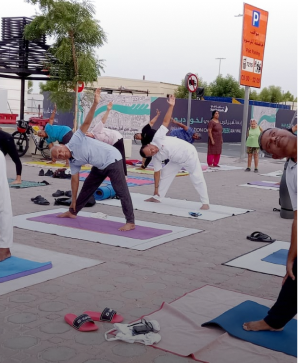
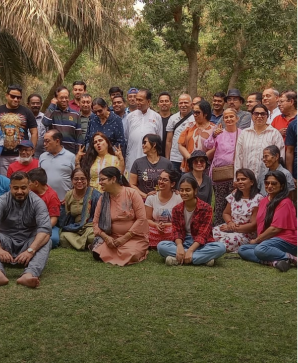
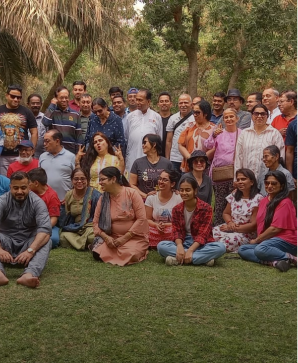
Our global family reminds us that we do not have to walk the path to wellness alone. Every morning, across parks and open spaces, people from all walks of life gather to breathe, move, and support one another as one community. This snapshot captures that exact spirit—the pure joy of togetherness, the strength of unity, and the beautiful harmony that blossoms when we practice peace, everyday, everywhere, and for everyone.

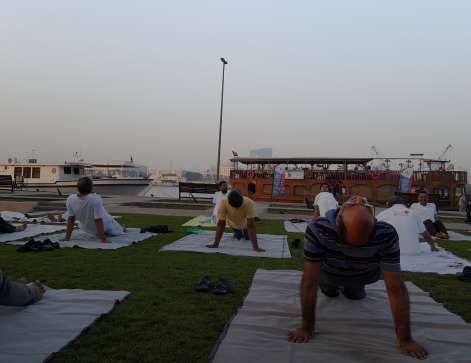
In our beautifully diverse world, finding true connection and community can often feel like a challenge. We frequently get caught up in our separate routines, isolated by our daily screens and busy schedules. Yet, human beings thrive when they come together in shared purpose, support, and mutual care. This is why cultivating spaces for collective wellness and selfless service is so vital for our emotional and social well-being.

Our global family reminds us that we do not have to walk the path to wellness alone. Every morning, across parks and open spaces, people from all walks of life gather to breathe, move, and support one another as one community. This snapshot captures that exact spirit—the pure joy of togetherness, the strength of unity, and the beautiful harmony that blossoms when we practice peace, everyday, everywhere, and for everyone.

Thought of the Day: Overcoming Modern Stress

When a person experiences stress, the body activates the sympathetic nervous system, often described as the fight-or-flight response. The heart begins to beat faster, muscles tighten, breathing becomes shallow, and stress hormones such as cortisol and adrenaline flood the bloodstream. This response is essential in moments of danger, but it was never meant to remain switched on all day. Unfortunately, modern stressors rarely involve physical threats. Instead, they are psychological and continuous.

By dedicating just a few minutes every single day to conscious breathing and mindful movement, you can actively trigger your parasympathetic nervous system—the body’s natural “rest and digest” mode. While a deep state of mental quiet builds gradually over time with regular practice, the physiological shift to lower your heart rate and release muscle tension begins almost immediately, helping you reclaim inner peace from the very first breath.

“When we slow down enough to listen, the body reveals its wisdom and the mind begins to quiet.”HARRY WUKO

In today’s fast-paced world, our attention is constantly pulled outward by endless responsibilities, digital alerts, and daily noise. This continuous external stimulation keeps our nervous system on high alert, leaving little room to check in with how we are truly feeling. When we carry chronic stress, our bodies send subtle warning signals—muscle tension, shallow breathing, or a restless mind—that we often ignore until we feel completely overwhelmed.

READ MORE
Frame 1321318824
Lessons
March 2, 2026By friends-yoga2 Comments

Posture of the Day

In our modern daily routines, we often push our bodies and minds to the limit without giving them a true opportunity to reset. While sleep is essential, conscious relaxation is a deliberate practice that allows the nervous system to completely unwind while remaining fully aware. Savasana, often called the Corpse Pose, is widely considered one of the most vital postures in yoga because it integrates the benefits of physical movement and transforms effort into deep, restorative peace.

How to Practice Today:

Lie down flat on your back on a steady mat, spreading your legs comfortably apart by about 12 inches. Place your hands gently by the sides of your hips, roughly 6 inches away from your body with your palms facing upward toward the sky. Softly close your eyes, take slow, deep, rhythmic breaths, and consciously autosuggest your mind and body to completely surrender, releasing all accumulated tension from head to toe.

“When we slow down enough to listen, the body reveals its wisdom and the mind begins to quiet.”HARRY WUKO

Yoga gently interrupts this cycle. Through slow, deliberate movement and controlled breathing, it stimulates the parasympathetic nervous system, sometimes referred to as the rest-and-digest response. This shift signals safety to the brain. The heart rate slows, blood pressure decreases, and muscles begin to soften. Over time, regular yoga practice retrains the nervous system to recover from stress more quickly. Instead of remaining stuck in hyper-alert mode, the body learns flexibility and balance.

READ MORE
5
Health
March 2, 2026By friends-yoga2 Comments

Photo of the Day

In our fast-paced world, finding genuine connection and community can often feel like a challenge. We frequently get caught up in our separate routines, isolated by our daily screens and busy schedules. Yet, human beings thrive when they come together in a spirit of shared purpose, mutual support, and care. This is why cultivating spaces for collective wellness and selfless community service is so vital for our emotional and social well-being.

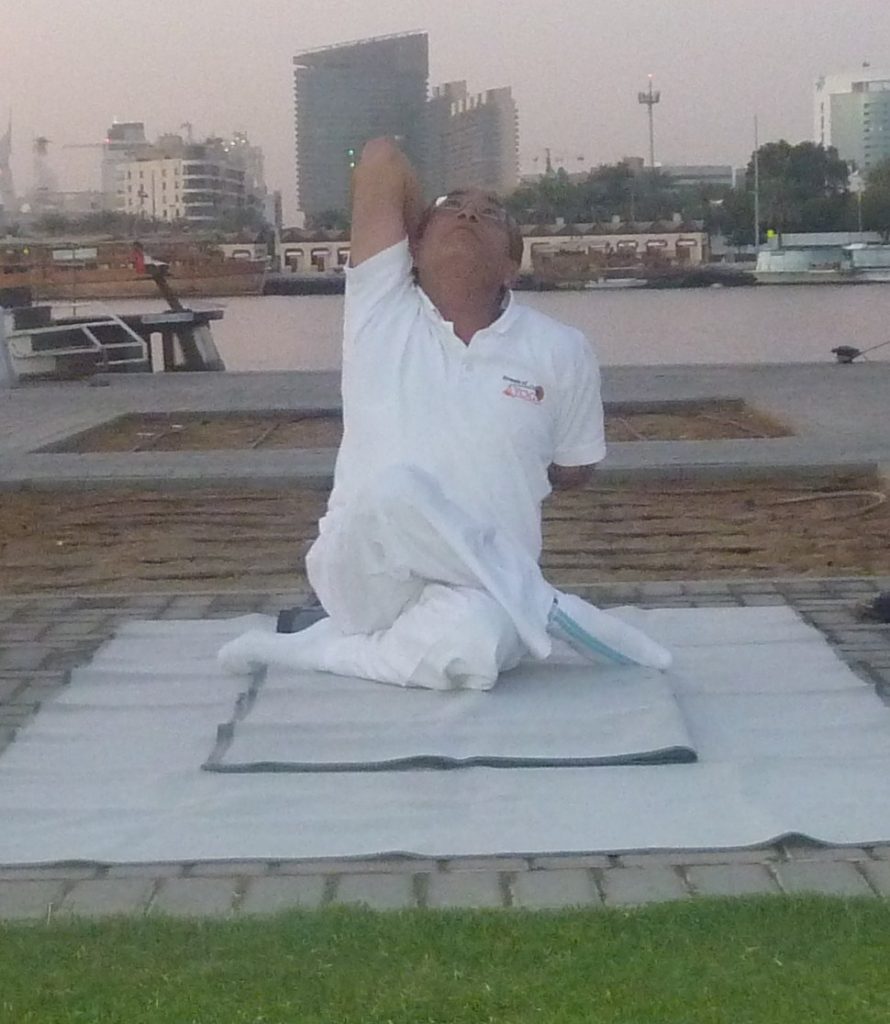
Our global yoga family reminds us that we do not have to walk the path to wellness alone. Every morning, across open-air parks and nature-filled spaces, people from all walks of life gather to breathe, move, and support one another as one grand community. This snapshot captures that exact spirit—the pure joy of togetherness, the strength of unity, and the beautiful harmony that blossoms when we practice peace everyday, everywhere, and for everyone.

How Long Does It Take to See Results?

When a person experiences stress, the body activates the sympathetic nervous system, often described as the fight-or-flight response. The heart begins to beat faster, muscles tighten, breathing becomes shallow, and stress hormones such as cortisol and adrenaline flood the bloodstream. This response is essential in moments of danger, but it was never meant to remain switched on all day. Unfortunately, modern stressors rarely involve physical threats. Instead, they are psychological and continuous.

“When we slow down enough to listen, the body reveals its wisdom and the mind begins to quiet.”HARRY WUKO

Yoga gently interrupts this cycle. Through slow, deliberate movement and controlled breathing, it stimulates the parasympathetic nervous system, sometimes referred to as the rest-and-digest response. This shift signals safety to the brain. The heart rate slows, blood pressure decreases, and muscles begin to soften. Over time, regular yoga practice retrains the nervous system to recover from stress more quickly. Instead of remaining stuck in hyper-alert mode, the body learns flexibility and balance.

READ MORE
post-3
Yoga
March 2, 2026By friends-yoga2 Comments

Creating a Daily Mindfulness Ritual

In today’s fast-paced world, stress and anxiety have become almost universal experiences. Deadlines, financial pressures, social expectations, digital overload, and personal responsibilities can overwhelm the mind and body. While medication and therapy are essential for many people, natural and holistic practices like yoga have proven to be powerful tools in managing stress and anxiety. Yoga is much more than stretching or physical exercise. It is a mind-body practice that combines movement, breath control, and meditation to promote physical health and emotional balance. For thousands of years, yoga has been used to cultivate inner peace and resilience.

Yoga is often misunderstood as simply a physical exercise focused on flexibility. In reality, it is a sophisticated mind-body discipline developed thousands of years ago to cultivate harmony between physical health, mental clarity, and emotional stability. What makes yoga uniquely powerful for stress and anxiety is its integrated approach. It does not treat the mind and body as separate systems. Instead, it recognizes that mental tension manifests physically and that physical relaxation can profoundly influence mental states.

How Long Does It Take to See Results?

When a person experiences stress, the body activates the sympathetic nervous system, often described as the fight-or-flight response. The heart begins to beat faster, muscles tighten, breathing becomes shallow, and stress hormones such as cortisol and adrenaline flood the bloodstream. This response is essential in moments of danger, but it was never meant to remain switched on all day. Unfortunately, modern stressors rarely involve physical threats. Instead, they are psychological and continuous.

“When we slow down enough to listen, the body reveals its wisdom and the mind begins to quiet.”HARRY WUKO

Yoga gently interrupts this cycle. Through slow, deliberate movement and controlled breathing, it stimulates the parasympathetic nervous system, sometimes referred to as the rest-and-digest response. This shift signals safety to the brain. The heart rate slows, blood pressure decreases, and muscles begin to soften. Over time, regular yoga practice retrains the nervous system to recover from stress more quickly. Instead of remaining stuck in hyper-alert mode, the body learns flexibility and balance.

READ MORE
post-4
Yoga
March 2, 2026By friends-yoga2 Comments

Finding Your Balance in a Busy World

In today’s fast-paced world, stress and anxiety have become almost universal experiences. Deadlines, financial pressures, social expectations, digital overload, and personal responsibilities can overwhelm the mind and body. While medication and therapy are essential for many people, natural and holistic practices like yoga have proven to be powerful tools in managing stress and anxiety. Yoga is much more than stretching or physical exercise. It is a mind-body practice that combines movement, breath control, and meditation to promote physical health and emotional balance. For thousands of years, yoga has been used to cultivate inner peace and resilience.

Yoga is often misunderstood as simply a physical exercise focused on flexibility. In reality, it is a sophisticated mind-body discipline developed thousands of years ago to cultivate harmony between physical health, mental clarity, and emotional stability. What makes yoga uniquely powerful for stress and anxiety is its integrated approach. It does not treat the mind and body as separate systems. Instead, it recognizes that mental tension manifests physically and that physical relaxation can profoundly influence mental states.

How Long Does It Take to See Results?

When a person experiences stress, the body activates the sympathetic nervous system, often described as the fight-or-flight response. The heart begins to beat faster, muscles tighten, breathing becomes shallow, and stress hormones such as cortisol and adrenaline flood the bloodstream. This response is essential in moments of danger, but it was never meant to remain switched on all day. Unfortunately, modern stressors rarely involve physical threats. Instead, they are psychological and continuous.

“When we slow down enough to listen, the body reveals its wisdom and the mind begins to quiet.”HARRY WUKO

Yoga gently interrupts this cycle. Through slow, deliberate movement and controlled breathing, it stimulates the parasympathetic nervous system, sometimes referred to as the rest-and-digest response. This shift signals safety to the brain. The heart rate slows, blood pressure decreases, and muscles begin to soften. Over time, regular yoga practice retrains the nervous system to recover from stress more quickly. Instead of remaining stuck in hyper-alert mode, the body learns flexibility and balance.

READ MORE
post-5
Yoga
March 2, 2026By friends-yoga2 Comments

Yoga as a Tool for Emotional Resilience

In today’s fast-paced world, stress and anxiety have become almost universal experiences. Deadlines, financial pressures, social expectations, digital overload, and personal responsibilities can overwhelm the mind and body. While medication and therapy are essential for many people, natural and holistic practices like yoga have proven to be powerful tools in managing stress and anxiety. Yoga is much more than stretching or physical exercise. It is a mind-body practice that combines movement, breath control, and meditation to promote physical health and emotional balance. For thousands of years, yoga has been used to cultivate inner peace and resilience.

Yoga is often misunderstood as simply a physical exercise focused on flexibility. In reality, it is a sophisticated mind-body discipline developed thousands of years ago to cultivate harmony between physical health, mental clarity, and emotional stability. What makes yoga uniquely powerful for stress and anxiety is its integrated approach. It does not treat the mind and body as separate systems. Instead, it recognizes that mental tension manifests physically and that physical relaxation can profoundly influence mental states.

How Long Does It Take to See Results?

When a person experiences stress, the body activates the sympathetic nervous system, often described as the fight-or-flight response. The heart begins to beat faster, muscles tighten, breathing becomes shallow, and stress hormones such as cortisol and adrenaline flood the bloodstream. This response is essential in moments of danger, but it was never meant to remain switched on all day. Unfortunately, modern stressors rarely involve physical threats. Instead, they are psychological and continuous.

“When we slow down enough to listen, the body reveals its wisdom and the mind begins to quiet.”HARRY WUKO

Yoga gently interrupts this cycle. Through slow, deliberate movement and controlled breathing, it stimulates the parasympathetic nervous system, sometimes referred to as the rest-and-digest response. This shift signals safety to the brain. The heart rate slows, blood pressure decreases, and muscles begin to soften. Over time, regular yoga practice retrains the nervous system to recover from stress more quickly. Instead of remaining stuck in hyper-alert mode, the body learns flexibility and balance.

READ MORE
post-6
Strength
March 2, 2026By friends-yoga2 Comments

Strength vs. Flexibility: Finding the Balance

In today’s fast-paced world, stress and anxiety have become almost universal experiences. Deadlines, financial pressures, social expectations, digital overload, and personal responsibilities can overwhelm the mind and body. While medication and therapy are essential for many people, natural and holistic practices like yoga have proven to be powerful tools in managing stress and anxiety. Yoga is much more than stretching or physical exercise. It is a mind-body practice that combines movement, breath control, and meditation to promote physical health and emotional balance. For thousands of years, yoga has been used to cultivate inner peace and resilience.

Yoga is often misunderstood as simply a physical exercise focused on flexibility. In reality, it is a sophisticated mind-body discipline developed thousands of years ago to cultivate harmony between physical health, mental clarity, and emotional stability. What makes yoga uniquely powerful for stress and anxiety is its integrated approach. It does not treat the mind and body as separate systems. Instead, it recognizes that mental tension manifests physically and that physical relaxation can profoundly influence mental states.

How Long Does It Take to See Results?

When a person experiences stress, the body activates the sympathetic nervous system, often described as the fight-or-flight response. The heart begins to beat faster, muscles tighten, breathing becomes shallow, and stress hormones such as cortisol and adrenaline flood the bloodstream. This response is essential in moments of danger, but it was never meant to remain switched on all day. Unfortunately, modern stressors rarely involve physical threats. Instead, they are psychological and continuous.

“When we slow down enough to listen, the body reveals its wisdom and the mind begins to quiet.”HARRY WUKO

Yoga gently interrupts this cycle. Through slow, deliberate movement and controlled breathing, it stimulates the parasympathetic nervous system, sometimes referred to as the rest-and-digest response. This shift signals safety to the brain. The heart rate slows, blood pressure decreases, and muscles begin to soften. Over time, regular yoga practice retrains the nervous system to recover from stress more quickly. Instead of remaining stuck in hyper-alert mode, the body learns flexibility and balance.

READ MORE
post-7
Meditation
March 2, 2026By friends-yoga2 Comments

Designing a Peaceful Home Practice Space

In today’s fast-paced world, stress and anxiety have become almost universal experiences. Deadlines, financial pressures, social expectations, digital overload, and personal responsibilities can overwhelm the mind and body. While medication and therapy are essential for many people, natural and holistic practices like yoga have proven to be powerful tools in managing stress and anxiety. Yoga is much more than stretching or physical exercise. It is a mind-body practice that combines movement, breath control, and meditation to promote physical health and emotional balance. For thousands of years, yoga has been used to cultivate inner peace and resilience.

Yoga is often misunderstood as simply a physical exercise focused on flexibility. In reality, it is a sophisticated mind-body discipline developed thousands of years ago to cultivate harmony between physical health, mental clarity, and emotional stability. What makes yoga uniquely powerful for stress and anxiety is its integrated approach. It does not treat the mind and body as separate systems. Instead, it recognizes that mental tension manifests physically and that physical relaxation can profoundly influence mental states.

How Long Does It Take to See Results?

When a person experiences stress, the body activates the sympathetic nervous system, often described as the fight-or-flight response. The heart begins to beat faster, muscles tighten, breathing becomes shallow, and stress hormones such as cortisol and adrenaline flood the bloodstream. This response is essential in moments of danger, but it was never meant to remain switched on all day. Unfortunately, modern stressors rarely involve physical threats. Instead, they are psychological and continuous.

“When we slow down enough to listen, the body reveals its wisdom and the mind begins to quiet.”HARRY WUKO

Yoga gently interrupts this cycle. Through slow, deliberate movement and controlled breathing, it stimulates the parasympathetic nervous system, sometimes referred to as the rest-and-digest response. This shift signals safety to the brain. The heart rate slows, blood pressure decreases, and muscles begin to soften. Over time, regular yoga practice retrains the nervous system to recover from stress more quickly. Instead of remaining stuck in hyper-alert mode, the body learns flexibility and balance.

READ MORE
post-8
Lessons
March 2, 2026By friends-yoga2 Comments

Recovery and Restorative Yoga Explained

In today’s fast-paced world, stress and anxiety have become almost universal experiences. Deadlines, financial pressures, social expectations, digital overload, and personal responsibilities can overwhelm the mind and body. While medication and therapy are essential for many people, natural and holistic practices like yoga have proven to be powerful tools in managing stress and anxiety. Yoga is much more than stretching or physical exercise. It is a mind-body practice that combines movement, breath control, and meditation to promote physical health and emotional balance. For thousands of years, yoga has been used to cultivate inner peace and resilience.

Yoga is often misunderstood as simply a physical exercise focused on flexibility. In reality, it is a sophisticated mind-body discipline developed thousands of years ago to cultivate harmony between physical health, mental clarity, and emotional stability. What makes yoga uniquely powerful for stress and anxiety is its integrated approach. It does not treat the mind and body as separate systems. Instead, it recognizes that mental tension manifests physically and that physical relaxation can profoundly influence mental states.

How Long Does It Take to See Results?

When a person experiences stress, the body activates the sympathetic nervous system, often described as the fight-or-flight response. The heart begins to beat faster, muscles tighten, breathing becomes shallow, and stress hormones such as cortisol and adrenaline flood the bloodstream. This response is essential in moments of danger, but it was never meant to remain switched on all day. Unfortunately, modern stressors rarely involve physical threats. Instead, they are psychological and continuous.

“When we slow down enough to listen, the body reveals its wisdom and the mind begins to quiet.”HARRY WUKO

Yoga gently interrupts this cycle. Through slow, deliberate movement and controlled breathing, it stimulates the parasympathetic nervous system, sometimes referred to as the rest-and-digest response. This shift signals safety to the brain. The heart rate slows, blood pressure decreases, and muscles begin to soften. Over time, regular yoga practice retrains the nervous system to recover from stress more quickly. Instead of remaining stuck in hyper-alert mode, the body learns flexibility and balance.

READ MORE
post-9
Health
March 2, 2026By friends-yoga2 Comments

Morning vs. Evening Yoga: What’s Better?

In today’s fast-paced world, stress and anxiety have become almost universal experiences. Deadlines, financial pressures, social expectations, digital overload, and personal responsibilities can overwhelm the mind and body. While medication and therapy are essential for many people, natural and holistic practices like yoga have proven to be powerful tools in managing stress and anxiety. Yoga is much more than stretching or physical exercise. It is a mind-body practice that combines movement, breath control, and meditation to promote physical health and emotional balance. For thousands of years, yoga has been used to cultivate inner peace and resilience.

Yoga is often misunderstood as simply a physical exercise focused on flexibility. In reality, it is a sophisticated mind-body discipline developed thousands of years ago to cultivate harmony between physical health, mental clarity, and emotional stability. What makes yoga uniquely powerful for stress and anxiety is its integrated approach. It does not treat the mind and body as separate systems. Instead, it recognizes that mental tension manifests physically and that physical relaxation can profoundly influence mental states.

How Long Does It Take to See Results?

When a person experiences stress, the body activates the sympathetic nervous system, often described as the fight-or-flight response. The heart begins to beat faster, muscles tighten, breathing becomes shallow, and stress hormones such as cortisol and adrenaline flood the bloodstream. This response is essential in moments of danger, but it was never meant to remain switched on all day. Unfortunately, modern stressors rarely involve physical threats. Instead, they are psychological and continuous.

“When we slow down enough to listen, the body reveals its wisdom and the mind begins to quiet.”HARRY WUKO

Yoga gently interrupts this cycle. Through slow, deliberate movement and controlled breathing, it stimulates the parasympathetic nervous system, sometimes referred to as the rest-and-digest response. This shift signals safety to the brain. The heart rate slows, blood pressure decreases, and muscles begin to soften. Over time, regular yoga practice retrains the nervous system to recover from stress more quickly. Instead of remaining stuck in hyper-alert mode, the body learns flexibility and balance.

READ MORE
  • 1
  • 2

Contacts

Friends Of Yoga Global Events
P O Box 32218
Dubai, UAE

+971 50 646 7957
+971 55 920 9995
info@friendsofyogaglobal.org
Contact Guruji : gurujifriendsofyoga99@gmail.com

Subscribe

    our centres
    Yoga Classes
    Gallery
    info@friendsofyogaglobal.org

    In Socials

    Copyright © 2026. All Rights Reserved